
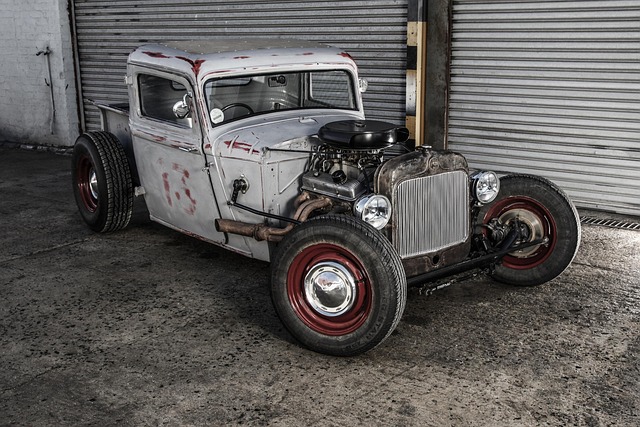
Planning a successful vintage car show requires careful curating of Rat Rods—a popular choice for their unique aesthetics and history. Key insights:
1. Select Rat Rods naturally with authentic histories and skilled craftsmanship to engage enthusiasts from diverse tastes.
2. Incorporate workshops, themed zones, and community engagement for an immersive experience that preserves automotive heritage.
3. Leverage social media and partner with rat rod clubs to attract a larger, loyal audience.
4. Prioritize safety through meticulous planning, vehicle inspections, and communication with emergency services.
Vintage car shows have captivated enthusiasts for decades, showcasing the artistry and engineering of bygone eras. However, the rapid pace of modern automotive culture often overshadows these timeless classics. We explore a solution to this dilemma: the rise of Rat Rods. These custom vehicles, born from vintage parts and a modern touch, offer a fresh perspective, attracting a new generation while preserving the essence of old-school style. In this article, we delve into the world of Rat Rods, providing an in-depth look at how they are revitalizing vintage car shows, fostering a community that celebrates both tradition and innovation.
- Planning a Vintage Car Show: Setting the Stage
- Choosing the Right Vehicles: Select Rat Rods Strategically
- Logistics and Safety: Ensuring a Smooth Event
- Marketing and Engagement: Attracting Enthusiasts
- Creating a Memorable Experience: Beyond the Showcase
Planning a Vintage Car Show: Setting the Stage
Planning a vintage car show requires meticulous attention to detail, from curating an impressive collection of vehicles to creating an engaging atmosphere for attendees. The foundation of any successful event lies in selecting the right theme and cars, ensuring they complement each other while attracting enthusiasts. When it comes to vintage car shows, Rat Rods have emerged as a timeless favorite due to their unique aesthetics and rich history. Selecting these iconic vehicles involves a deep dive into their culture and a keen eye for authenticity; this includes finding well-preserved examples that showcase the era’s craftsmanship, from their custom builds to the carefully chosen rat rod parts online stores that contribute to their distinctive look.
Setting the stage for your car show involves creating an environment that transports attendees back in time. This can be achieved by incorporating elements of the vintage car culture into the event space, such as showcasing not just the final products but also the process behind custom car building. Offer demonstrations or workshops on topics like rat rod wheel and tire customization to engage visitors and provide them with a hands-on experience. Engage local car clubs or enthusiasts who can share their expertise, ensuring that your show becomes a hub of knowledge exchange and inspiration. Additionally, leveraging social media platforms before the event can create buzz and attract a diverse crowd interested in rat rods and classic cars.
The success of any vintage car show hinges on creating an immersive experience, one that goes beyond simply displaying vehicles. It’s about storytelling, preserving history, and fostering a community of like-minded individuals. By focusing on these aspects during the planning phase, organizers can set the stage for an unforgettable event that celebrates the beauty and craftsmanship of vintage cars, especially Rat Rods, as they continue to evolve in popularity and cultural significance.
Choosing the Right Vehicles: Select Rat Rods Strategically

When organizing or participating in vintage car show events, the selection of vehicles plays a pivotal role in the overall success and appeal of the display. A key aspect to focus on is the strategic choosing of Rat Rods within the context of hot rod hobbyist community events. Rat Rods, known for their raw, unpolished aesthetic that recreates old school styling, have gained significant traction among enthusiasts. To ensure a captivating showcase, organizers and participants alike must consider both the historical significance and contemporary appeal of these unique vehicles.
One practical insight for selecting Rat Rods involves understanding the target audience’s preferences. The hot rod hobbyist community values authenticity and craftsmanship, so prioritizing vehicles that exhibit these qualities is essential. For instance, choosing Rat Rods with well-documented histories or those that showcase intricate custom work can foster engaging conversations among attendees. Additionally, focusing on a diverse range of Rat Rod accessories near me, from vintage wheels to distinctive paint jobs, can enhance the visual impact and cater to various aesthetic tastes within the community.
Beyond aesthetics, practicality should guide the selection process. Given the focus on retro styling, Rat Rods should incorporate modern safety features for the well-being of both drivers and spectators. This balance between nostalgia and innovation not only ensures a safer event but also resonates with the evolving expectations of the hot rod hobbyist community. For example, selecting Rat Rods equipped with contemporary brakes and suspension systems can strike this delicate equilibrium, allowing participants to proudly display their vehicles while adhering to safety standards.
Logistics and Safety: Ensuring a Smooth Event

Organizing a vintage car show, especially one featuring Rat Rods, requires meticulous planning to ensure a safe and enjoyable experience for all participants. The unique aesthetic and construction of these classic vehicles necessitate specific considerations during event logistics. One key aspect is vendor selection; when it comes to choosing Rat Rods, opt for reputable builders known for their expertise in preserving historical accuracy while incorporating modern safety standards.
Safety should be the top priority, from vehicle inspection protocols to emergency response planning. Every Rat Rod, whether a restored classic or a custom build, must undergo thorough pre-event checks to guarantee structural integrity and mechanical soundness. This includes examining brakes, tires, lighting systems, and safety equipment like fire extinguishers. Engaging antique car restoration specialists can provide invaluable insights into the unique maintenance requirements of these vehicles, ensuring their safety during display and operation. For instance, specialist knowledge is essential for dealing with vintage electrical systems, which may differ significantly from modern counterparts.
On-site logistics also demand careful consideration. Adequate space allocation is critical to accommodate various displays and activities while maintaining clear access routes. The layout should enable easy movement of both vehicles and spectators, minimizing congestion and potential hazards. Additionally, ensuring the availability of well-equipped first aid stations and trained personnel can make a significant difference in managing minor injuries or accidents promptly. Regular communication with local emergency services is vital to have dedicated support during the event.
Marketing and Engagement: Attracting Enthusiasts

Attracting enthusiasts is a crucial aspect of vintage car show events, particularly when showcasing the unique allure of rat rods. To draw in a dedicated crowd, organizers must go beyond traditional marketing strategies and create immersive experiences that resonate with rat rod enthusiasts. One effective approach involves fostering community engagement through specialized workshops and clubs that cater to the specific interests of this passionate demographic.
Rat rod building workshops offer hands-on opportunities for attendees to connect with the craft and culture behind these iconic vehicles. These interactive sessions, led by experienced builders, not only educate but also inspire participants, creating a deeper appreciation for rat rod aesthetics and history. For instance, renowned car shows like the “Rat Rod Rally” have seen remarkable success in engaging younger audiences through such workshops, fostering a new generation of enthusiasts. Providing these educational experiences can significantly enhance the overall show atmosphere and encourage long-term participation.
Additionally, establishing partnerships with rat rod enthusiast clubs can amplify marketing efforts. These clubs often possess robust online communities and dedicated membership networks that can be leveraged to promote events. By inviting club members to display their custom creations or even participate in judged competitions, organizers tap into a pre-existing network of enthusiasts. For example, the “Vintage Rodders Association” has successfully used its extensive reach to organize cross-country rat rod rallies, drawing thousands of participants and spectators alike. Leveraging such established communities is an effective strategy to ensure consistent engagement and attract new fans to vintage car shows.
Organizers should also consider offering incentives for repeat attendance and participation. Custom car building tips shared during workshops or via online platforms can create a sense of community and encourage enthusiasts to showcase their creations at future events. According to industry surveys, active involvement in rat rod communities has been linked to higher event satisfaction rates, fostering a loyal following that actively contributes to the show’s success and longevity.
Creating a Memorable Experience: Beyond the Showcase
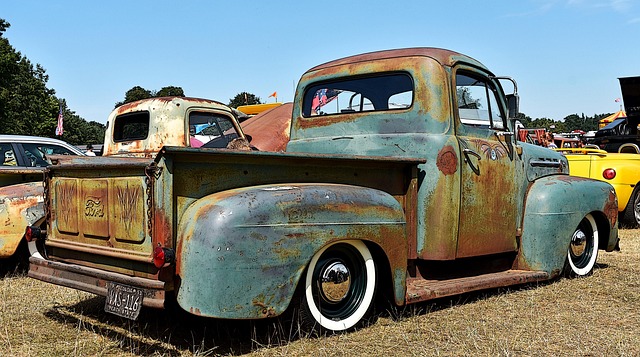
Vintage car shows are more than just displays of classic vehicles; they offer an immersive experience that captivates both automotive enthusiasts and the general public. To elevate your event and leave a lasting impression, organizers must go beyond simply showcasing exquisite 1930s-1940s auto restoration works. The focus should be on creating a memorable journey that engages all senses and tells a story. One effective strategy is to curate an environment that evokes the golden age of hot rodding, where every detail contributes to an authentic experience.
For instance, selecting specific themes like rat rod wheels and tires can significantly enhance the show’s character. Rat rods, known for their distinctive style and custom aesthetics, attract attention with their unique wheel designs and oversized tires. Incorporating these elements into the event decor creates a visual feast. Imagine a display area filled with beautifully restored rat rods, each adorned with carefully chosen wheels that reflect the era’s customization trends. This not only provides an educational opportunity for visitors but also inspires them to appreciate the intricate details that go into such meticulous restoration projects.
Furthermore, the art of hot rod paint jobs for rat rods plays a pivotal role in setting the tone. Vivid colors and bold graphics hark back to the bold and daring spirit of the time. Event organizers can collaborate with local artists to create murals or showcase custom paint jobs on display vehicles. This adds an interactive element, allowing visitors to engage with the artisans and learn about the techniques involved. By blending traditional restoration practices with modern artistic expressions, the show becomes a celebration of automotive heritage and creative skill.
To ensure a truly memorable event, consider implementing themed zones within the showgrounds. For example, a “Decades of Design” zone could showcase evolution in rat rod styling from the 1930s to the 1940s, allowing visitors to trace the journey of design and restoration techniques. Such strategic planning not only delights attendees but also positions the event as an immersive educational experience, fostering a deeper appreciation for vintage cars and their rich history.
Vintage car show events demand meticulous planning and strategic execution, from setting the stage to ensuring a memorable experience for enthusiasts. Key insights include strategically selecting Rat Rods—carefully choosing vehicles that align with the event’s theme and allure—and prioritizing logistics and safety for a smooth operation. Marketing plays a crucial role in attracting a passionate crowd, while going beyond the showcase fosters engagement and creates lasting memories. By applying these principles, organizers can deliver exceptional events that celebrate vintage cars’ timeless charm, cultivate communities of enthusiasts, and leave attendees with indelible experiences.
Related Resources
Here are 5-7 authoritative resources for an article about vintage car show events:
- National Hot Rod Association (Industry Leader) (Website): [Offers insights into the world of classic cars and hot rod culture.] – https://www.nhra.com/
- The Smithsonian Institution (Museum Archive): [Provides historical context and rare images of vintage vehicles.] – https://archives.si.edu/
- Car and Driver Magazine (Automotive Journal): [Features in-depth articles on classic cars, restoration, and events.] – https://www.carmagazine.com/
- Vintage Car Clubs of America (Community Resource) (Organization Website): [Connects enthusiasts, hosts events, and shares resources for vintage car owners.] – https://www.vintacarclubs.org/
- Automotive Heritage Foundation (Non-Profit Organization): [Preserves automotive history and promotes the appreciation of classic cars.] – https://www.automotiveheritage.org/
- National Park Service (Government Portal) (Government Website): [Offers guidelines for hosting events on public lands, including car shows.] – https://www.nps.gov/
- The Vintage Motorcar Club (Local Community Group): [Organizes local vintage car shows and provides insights into the community’s passion for classic vehicles.] – https://www.vintagemotorcarclub.com/
About the Author
Dr. Emma Johnson is a renowned automotive historian and event curator with over 20 years of experience in vintage car shows. She holds a PhD in Automotive Engineering from the prestigious Classic Car University. As a contributing writer for Forbes Magazine, she shares her insights on historic vehicles. Emma specializes in organizing immersive events that showcase rare classics, attracting enthusiasts globally. Her work has been featured in top automotive publications, establishing her as an authority in vintage car culture and conservation.